









<img height="1" width="1" style="display:none" src="https://www.facebook.com/tr?id=639969142110007&amp;ev=PageView&amp;noscript=1">
Energy Performance Certificate

YOUR EPC.
ORDERED.
LODGED.

An accredited Domestic Energy Assessor surveys the property and lodges your EPC on the national register, usually within a week. You get the A-G rating, the recommendations report, and a copy emailed to you and your tenant. Required by law before you can market the property to new tenants.

Fast turnaroundSame week, lodged within 24 hours
2030 rules changingSee the timeline ↓
Accredited DEAs100% Scheme-accredited, no exceptions
ALREADY ON MANAGEMENT PLUS?
EPC monitored and included, renewals handled for you
  • EPC arranged ahead of every marketing cycle
  • Compliance dates tracked, renewals never missed
  • Improvement recommendations prioritised by cost-effectiveness
  • Trusted contractors recommended for upgrade work
See Management Plus
What you get for £95

AN EPC ON THE NATIONAL REGISTER, AND A PLAN FOR 2030.

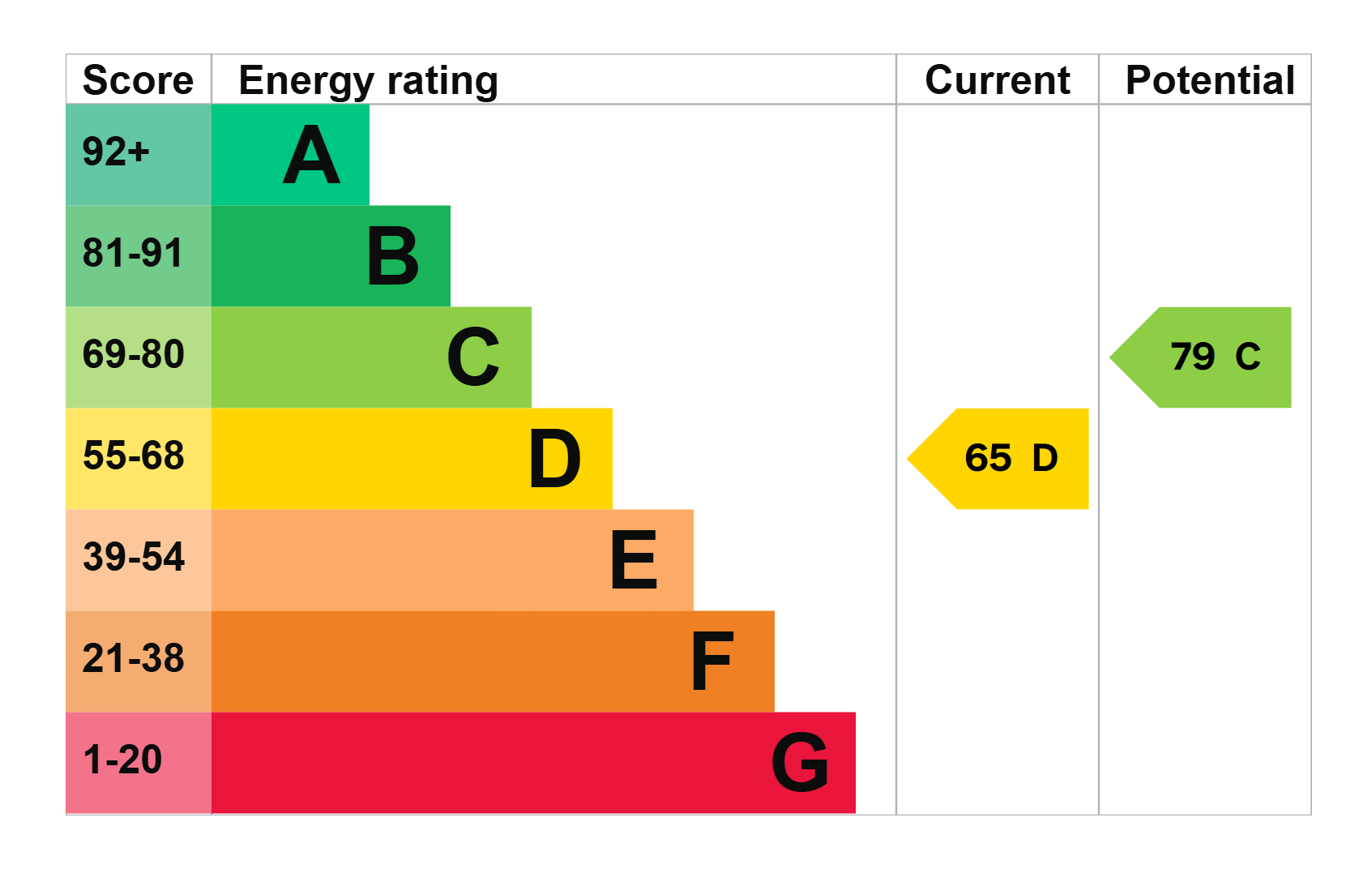
An EPC (Energy Performance Certificate) rates your property's energy efficiency from A to G, alongside an estimate of running costs and a list of suggested improvements. An accredited Domestic Energy Assessor surveys the property in person (around an hour), measures the floor area, photographs the heating system, glazing and insulation, and lodges the certificate on the official EPC register within 24 hours.

For privately rented properties, an EPC is required by law before the property can be marketed to new tenants, and the minimum rating today is E. From 1 October 2030, that minimum rises to C, applying to both new and existing tenancies. The cost cap for improvements is £10,000 per property, and expenditure from 1 October 2025 already counts toward it.

One thing landlords should know: the EPC methodology itself is changing. From the second half of 2027, the current methodology is being replaced by the Home Energy Model (HEM), with a new dual-metric assessment based on fabric performance and heating system.

EPCs commissioned today are issued under the current system and remain valid for 10 years. Any property rated C or higher before 1 October 2029 stays compliant through to its expiry, even after the new metrics arrive. Acting now under the current methodology, in other words, may be the cheaper path to 2030 compliance.

Already at EPC C or above?

You're probably fine for now.

If your existing EPC rates the property at C or above and was issued before October 2029, you're grandparented under the new 2030 rules until that certificate naturally expires. You don't need a new EPC, you don't need works, and you don't need to do anything today.

What's worth knowing: when your current EPC does expire, the new HEM methodology will apply, and your rating might shift. The right moment to plan is the renewal, not now.

Not sure of your current rating? Look it up free on the national EPC register. Enter the postcode, pick the property, see your current rating and expiry date in 30 seconds.

The road to 2030

FOUR DATES YOU NEED ON YOUR CALENDAR.

What's changing for landlords, when it lands, and what you can do about it before the deadline.

Today
2nd half 2027
Oct 2029
Oct 2030
  1. Where we are now

    EPC minimum rating is E. Existing EER (Energy Efficiency Rating) methodology applies. EPCs are valid for 10 years, and the 28-day grace period for commissioning after marketing still applies.

    Current state of play
  2. HEM methodology starts

    New dual-metric EPCs based on fabric performance and heating system efficiency run alongside the current EER system. The 28-day grace period for marketing is removed.

    28-day grace period removed
  3. Last chance under SAP

    Current EER (Energy Efficiency Rating) methodology is discontinued. Any property rated C or above on a ERR EPC issued before this date stays compliant under the new 2030 rules until the certificate naturally expires.

    Last chance to grandparent a SAP-C rating
  4. The new C minimum

    All privately-rented homes in England and Wales must reach EPC C, under either EER methodology (if grandparented) or HEM. The penalty cap rises substantially.

    Up to £30,000 fine per property
What planning ahead looks like

YOUR EPC, FROM TODAY TO 2030.

One property, four time-points, real numbers. The point isn't that everyone should follow this exact path. The point is that planning beats panicking.

Scenario:

1970s 3-bed semi, currently rated D. Cavity walls, partial loft insulation, gas combi boiler.

until h2 2027
Today
The starting position
Commission the EPC

An accredited DEA surveys the property and lodges the certificate on the national register. The current rating is D. The assessor flags cavity wall insulation and loft top-up as the highest-impact improvements available.

Rating D
Action Book EPC
Spend £95
Late 2027
late 2027
Fabric-first improvements
Cavity wall + loft top-up

Hello Neighbour's vetted retrofit network installs cavity wall insulation and tops up the loft. Both jobs in a single visit, around half a day, no tenant disruption beyond a morning. A new EPC confirms the rating uplift to C.

Rating C
Retrofit + new EPC £1,495
Cumulative £1,590
October 2029
30 September 2029
Grandparenting deadline
Nothing to do

The 2026 EPC achieved C under the existing EER (Energy Efficiency Rating) methodology. Because that rating was confirmed before October 2029, it stays compliant under the new 2030 rules until the certificate expires in 2036. No new EPC needed, no further works required.

Rating C (still valid)
Action None
Cumulative £1,590
October 2030
1 October 2030
New rules apply
Compliant by default

The new C minimum applies to all privately-rented homes. The property is already at C, grand parented under the EER (Energy Efficiency Rating) rating from 2026. The £30,000 penalty for non-compliance doesn't apply, and the property continues to let without interruption.

Rating C
Action None
Risk avoided £30,000
Source:

Illustrative scenario. Retrofit costs from Energy Saving Trust price ranges, March 2026. Penalty figures from the Warm Homes Plan, January 2026.

Common questions

QUESTIONS ON EPCs.

 Not finding what you need? Talk to the team, or look up any existing EPC on the national EPC register. 

When do I legally need an EPC?

You need a valid EPC before the property is marketed to a new tenant, and a copy must be given to tenants before they sign. EPCs are valid for 10 years and apply whenever the property is built, sold, or rented.

The current minimum rating for private rentals is E. From 1 October 2030, this rises to C for both new and existing tenancies.

What does the assessor actually do?

The Domestic Energy Assessor visits the property in person, usually for around an hour. They measure the floor area, look at the heating system, hot water cylinder and controls, check the insulation (where visible) and the glazing, and photograph the boiler, meter and any solar panels.

The data is then fed through the SAP methodology to produce the A-G rating. The certificate is lodged on the official EPC register within 24 hours, and we email you the digital copy.


What's changing in 2030?

Under the Warm Homes Plan published in January 2026, every privately-rented property in England and Wales must reach EPC C by 1 October 2030. The maximum fine for letting a non-compliant property rises to £30,000.

There is a £10,000 cost cap on the improvements you're required to make per property. Expenditure from 1 October 2025 onwards already counts toward this cap, so works done now reduce what you'd otherwise need to spend later.

If your property reaches C under the current rating system before 1 October 2029, that rating stays compliant until your EPC expires, even after the methodology changes.

I already have an EPC from a few years ago. Do I need a new one?

It depends on what rating that EPC carries.

If it's rated C or above, you don't need to act today. Your rating is grandparented under the October 2029 deadline, which means it stays compliant under the new 2030 rules until your EPC naturally expires.

If it's rated D or below, the question isn't really about the EPC, it's about the improvement works you'll need to reach C by October 2030. A new EPC isn't required, but it's a useful starting point for planning, especially if your existing one is more than a few years old and the property has changed since.


If your rating is borderline (a low C), you have a strategic choice. The new HEM methodology from October 2026 will assess properties differently, and a SAP-borderline-C might rate differently under HEM. Commissioning a new EPC under the current SAP system before October 2029 locks in your rating for the life of the certificate.

Not sure which case you're in? Talk to the team.

The methodology is changing too?

Yes. From October 2026, the current SAP-based EPC methodology is being replaced by the Home Energy Model (HEM), with a new dual-metric assessment based on fabric performance (insulation, glazing) and either heating system efficiency or smart readiness. The energy cost metric stays on the certificate but no longer drives the headline rating.

The practical impact: a property that scores C under the current system before 1 October 2029 keeps that C through to its EPC expiry. After that point, all EPCs use HEM, and the bands will be re-calibrated. The Department for Energy Security and Net Zero is still consulting on exactly where the C boundary will fall under the new system.

What happens if I skip the EPC?

Marketing a rental property without a valid EPC carries a current fine of up to £5,000 (this rises to £30,000 alongside the 2030 changes). Local authorities can also issue penalty notices and add the property to enforcement registers.

You also can't legally sign a new tenancy without the EPC, which means properties without one stall on the market.

Will the EPC tell me how to improve the rating?

Yes. Every EPC includes a recommendations section listing specific improvements (cavity wall insulation, loft insulation, more efficient boiler, draught-proofing, low-energy lighting, and so on), along with the typical cost and the rating uplift you could expect from each.

For 2030 planning, the most cost-effective improvements are usually fabric-first: loft insulation, cavity wall insulation, and draught-proofing. These reliably move the rating under both the current methodology and the upcoming HEM model.

How quickly can you book it in?

Most bookings happen the same week, often next day for London postcodes. We coordinate access directly with your tenant. The DEA lodges the certificate on the national register within 24 hours, and we email a copy to you and your tenant.

Talk to us

NOT SURE WHAT 2030 MEANS FOR YOUR PROPERTY?

Drop the team a note. We'll talk you through what the new EPC rules mean for your specific property, what to do first, and whether Management Plus makes more sense than buying certificates one at a time. No pressure.

Lines open · Mon to Fri 9am to 6pm · We answer in under 60 seconds
Ready to book

SORT THE EPC. SORT 2030.

An accredited DEA booked the same week, often next day for London postcodes. Coordinated with your tenant. Certificate lodged on the register within 24 hours. With a clear, prioritised plan for the improvements that'll move your rating ahead of the 2030 deadline.

Or skip the per-cert fee entirely with Management Plus, where compliance is part of the package.